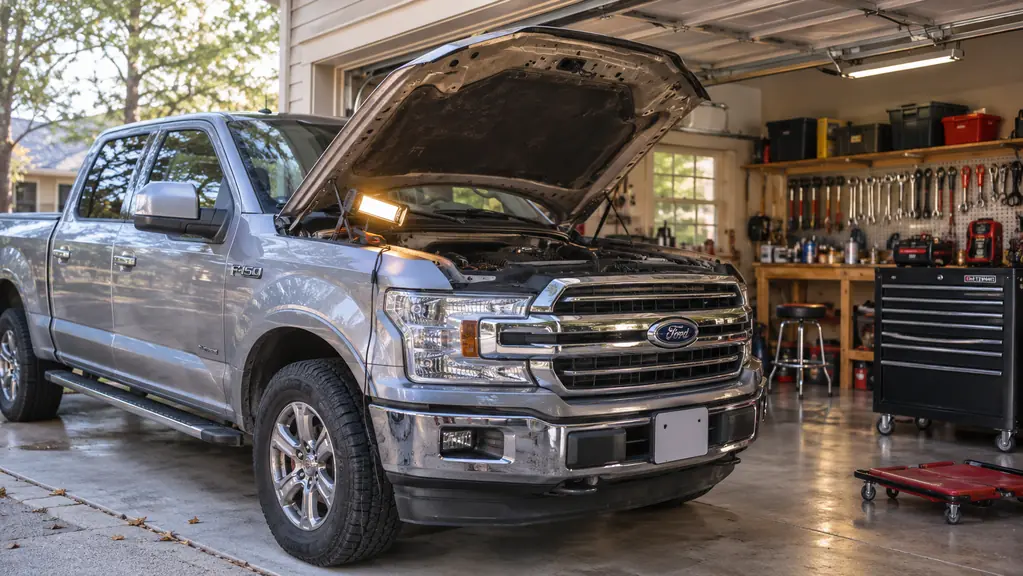
The check engine light in my 1991 Miata came on about four miles from home, on a Saturday morning I had already planned to spend under the hood. I did what most people do. I pulled into a parts store, borrowed their code reader, wrote down a number on the back of a receipt, and stood in the parking lot with no idea what the number actually meant. Two days later I had replaced a part that did not need replacing.
That was the routine for years. Read the code, guess at the part, buy the part, hope. Sometimes I got lucky. More often I spent a Saturday on a repair that did not fix anything. My dad taught me brakes and oil changes in our driveway when I was a teenager, and he was patient with me then. He would have laughed at how long I guessed, and he would have been right, right up until I bought a BlueDriver.
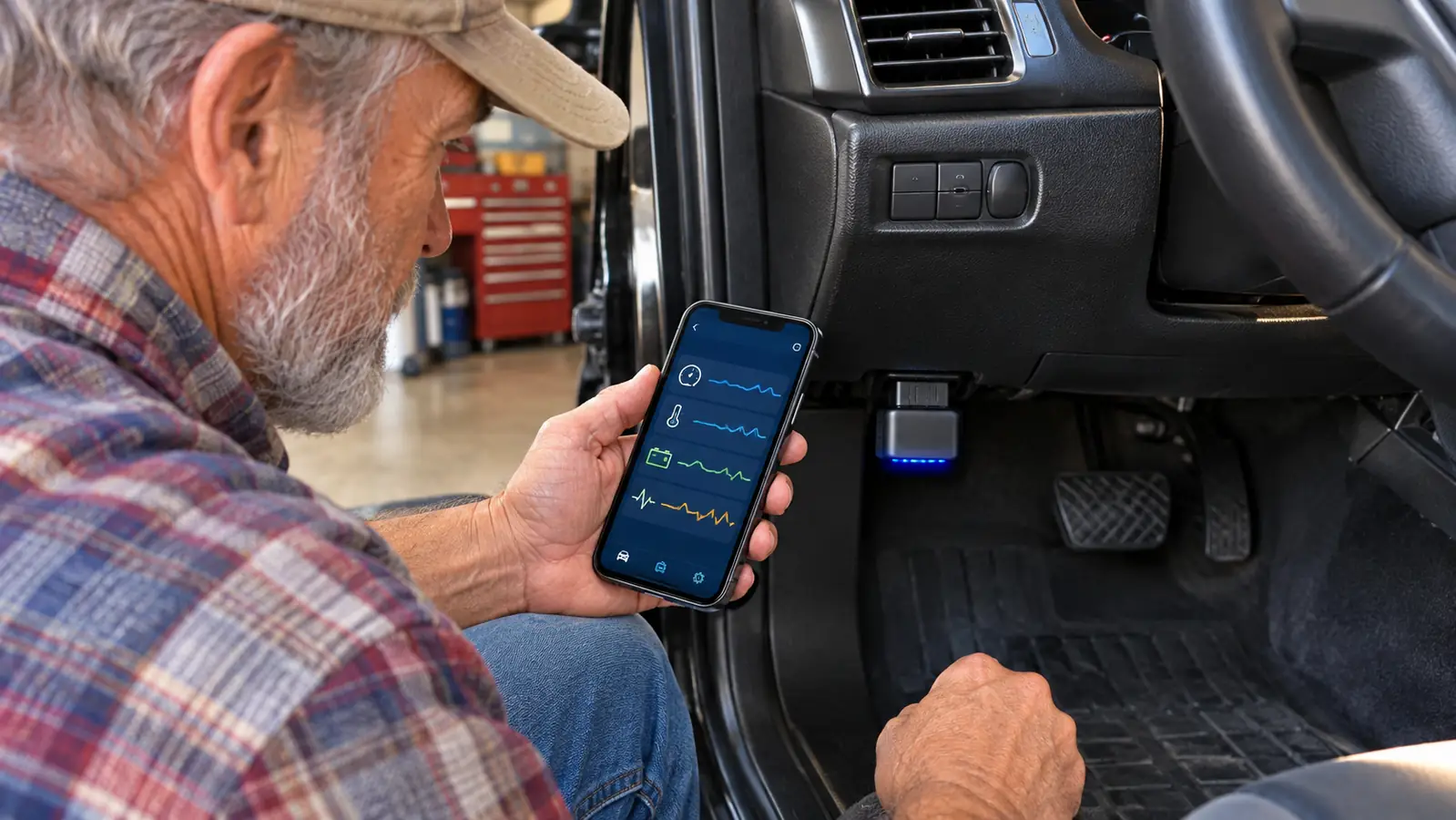
Parts stores will read a code for you, and that is a genuinely useful service. What they cannot tell you is what the engine was doing at the second the code set, or whether the monitors are ready for an emissions test, or what the manufacturer's own test results look like. That is the gap I kept falling into, and it is the gap I bought my way out of.
The BlueDriver OBD2 Scanner is what finally moved me off that method. It is a Bluetooth scanner that plugs into the OBDII port under the dash and connects wirelessly to the BlueDriver app on a phone, either iOS or Android. There is no subscription to keep paying for. It reads and clears codes, and it also shows live vehicle data as you drive, freeze frames from the moment a code set, smog readiness, and Mode 6 test results. That last part matters more than it sounds. It is the difference between a number and a picture.
The first time I used it was on the Miata, maybe a month after I bought it. A misfire code came up and I had already decided which ignition part I was going to throw at it. Then I opened the freeze frame and saw the engine conditions at the exact moment the code set. The engine was cold and lightly loaded. That sent me looking somewhere else entirely, and it turned out to be a vacuum line I could have chased for a week with a parts cannon.
It is the difference between a number and a picture. That is what changed my Saturdays.
See what your own car is actually reporting
Plugs into the OBDII port, pairs with your phone over Bluetooth, and shows live data, freeze frames and smog readiness. No subscription.
Amazon Check Today's Price on Amazon →The Tacoma gave me a better test. It is a 2012 with about 168,000 miles on it, and the ABS light came on during a wet week in January. Basic code readers do not touch ABS. This scanner does, along with SRS and TPMS, which is why the BlueDriver stayed in the truck instead of the garage shelf. I read the code, checked live data on the wheel sensor, and confirmed the fault before I ordered anything. One sensor. One afternoon. That was the whole job.
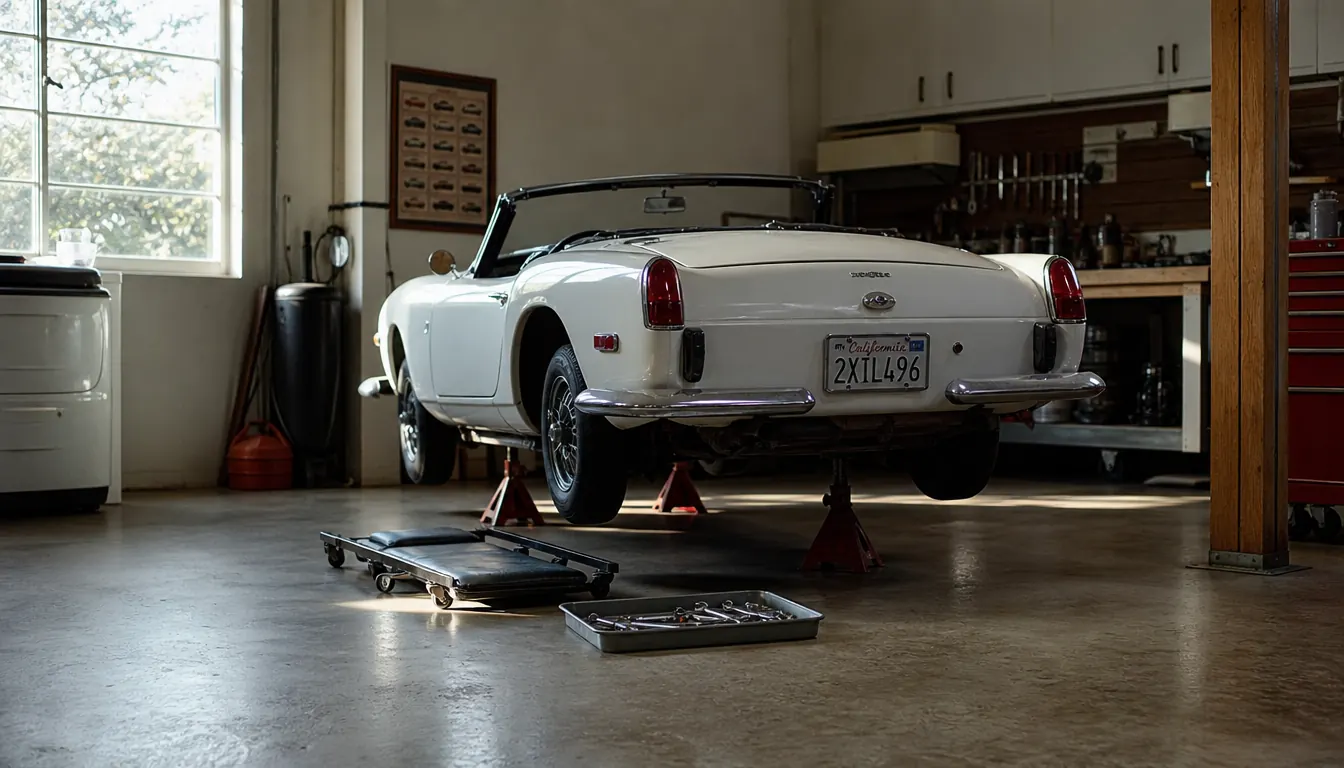
What changed is not really the speed. It is the standing around. Before, a light meant a trip to the parts store and a conversation with whoever was behind the counter, and I would come home half convinced. Now I walk out to the garage, plug the scanner in, and read the thing myself. My tool chest has a drawer for diagnostic stuff now. It used to be a drawer for spare sensors I bought on a hunch.
California smog checks are their own small anxiety. The scanner shows smog readiness, so I can tell whether the truck's monitors have run after a battery disconnect, before I drive to the station and pay for a test it is going to fail. That happened to me once with the Miata. Once was enough.
One mistake I made early is worth repeating. I cleared a code before I wrote it down. The light went off, I felt accomplished for about two days, and then it came back with less information than before, because I had wiped the freeze frame along with it. Now I read everything first, copy it onto a notepad, and only then clear it. The code comes back if the problem is real. The conditions around it do not.
The limits are worth saying out loud. It works with gas vehicles from 1996 and newer, plus select light-duty trucks, so it is not going to help with an old carbureted project. It will not fix anything either. It tells you what the car thinks is wrong, which is a much better starting point than a guess, and then you still have to get under there and do the work.
What I'd Tell You If We Were Sitting at My Kitchen Table
If you are where I was a few years ago, buying a part every time a light comes on and hoping, I would tell you to spend your money on information first. You do not need to be a professional. You need to know which system is complaining and what the engine was doing when it complained. Get the car safely on jack stands before you go under it, disconnect the battery the right way when you are working on electrical, and read the code before you open a parts box. The BlueDriver pays for itself the first time it stops you from replacing something that was fine. There is a 180-day money back guarantee, which is a fair amount of time to find out whether it suits how you work.
Start with the code, not the parts counter
Read and clear codes, watch live data as you drive, and check smog readiness from your phone before you spend a Saturday guessing.
Amazon Check Today's Price on Amazon →